Live Ops - 極夜大陸 メテオの彼方
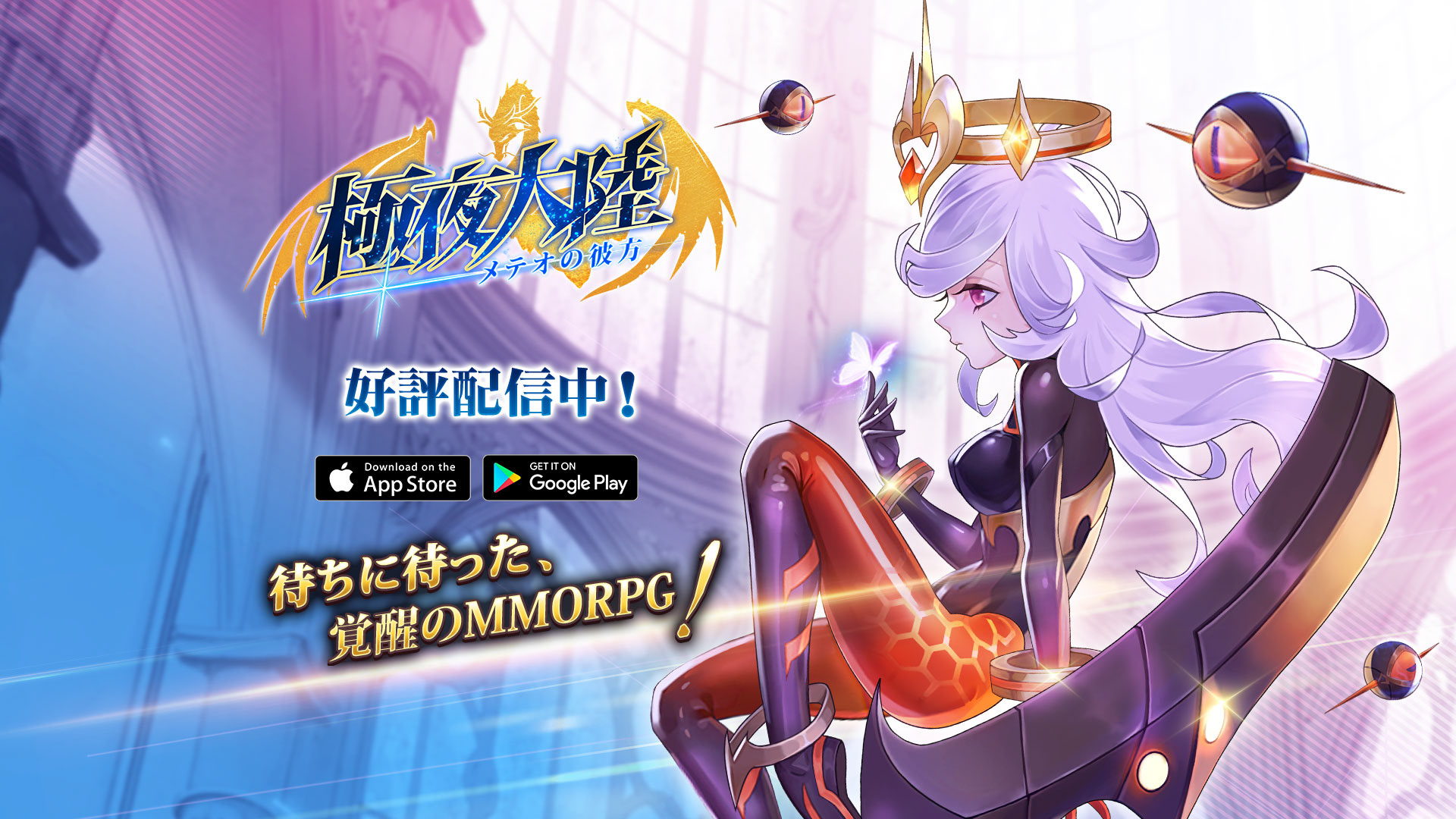
Kyokuya: Beyond the Meteor
Kyokuya: Beyond the Meteor
Year: 2022
Platform: iOS / Android
Role: Live Operations
Responsibilities: Live Operations · Art Team Management · Cross-functional Coordination · Content Strategy · Marketing Assets
Collaboration: Taiwan Publishing/operations Team · Malaysia Art Team · China Development Studio · Localization Team
Overview
As the Live Operations Specialist for Kyokuya: Beyond the Meteor, I managed the Live Operations art team and served as the primary bridge between the publishing team, development studio, and localization team.
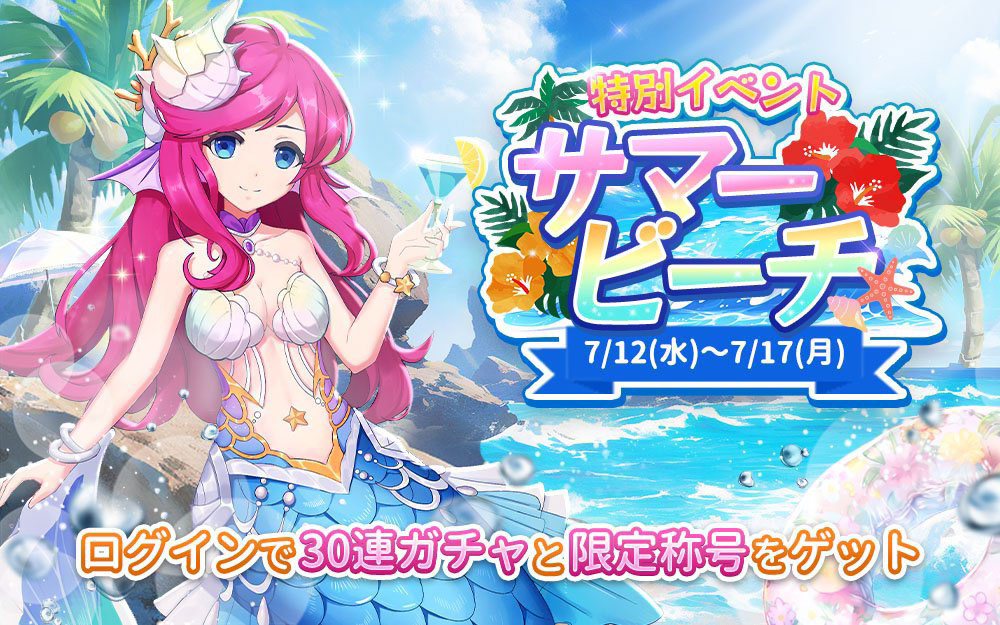
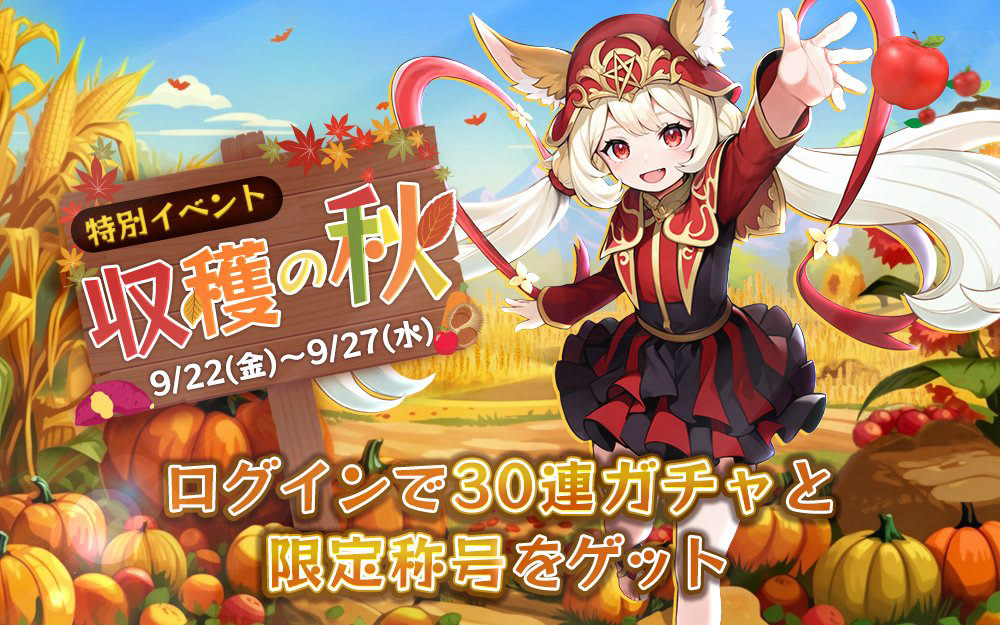
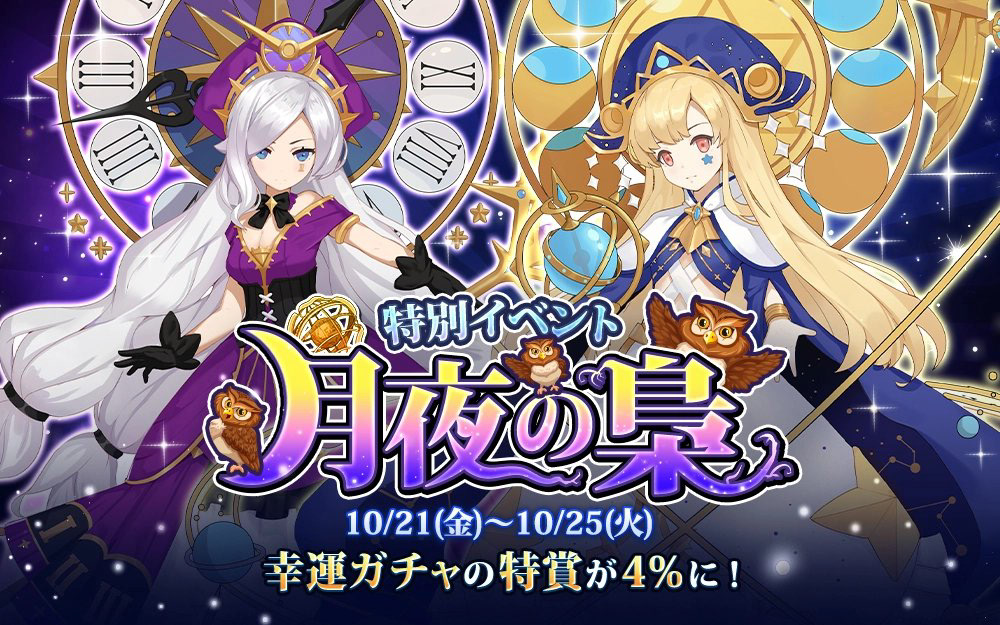
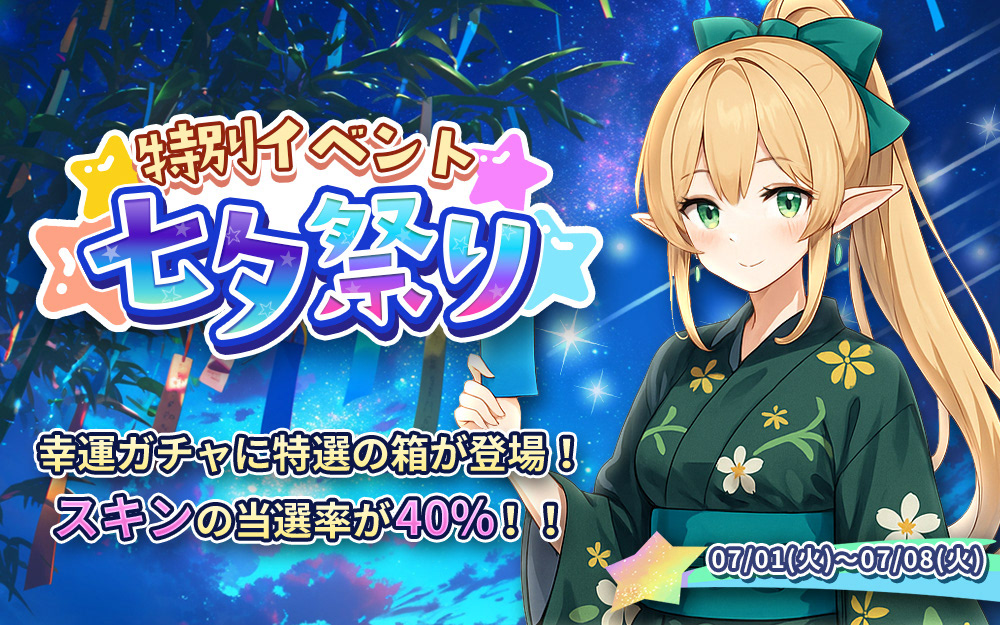
My responsibilities focused on planning and coordinating the visual assets required for daily live operations, including update announcements, event promotions, shop campaigns, and in-game marketing materials. Working within a project with limited production resources, I continuously looked for ways to improve production efficiency while maintaining a steady flow of fresh player-facing content.
Rather than simply producing artwork, I focused on optimizing how existing assets were utilized, improving communication between teams, and establishing sustainable workflows that balanced production constraints with player experience.
Key Achievements
- Managed the Live Operations art team while coordinating with the development studio and localization team.
- Redesigned the Live Operations visual content workflow using existing production assets.
- Established a sustainable content strategy that balanced new illustrations, 3D renders, and legacy assets.
- Helped improve player engagement, retention, and purchase activity through refreshed visual communication.
- The content workflow continued to be adopted by the team for several years after my departure.
Background
When I joined the project, Kyokuya: Beyond the Meteor had already entered the later stages of its product lifecycle. Internally, the title was experiencing declining player engagement while operating under increasingly limited development resources.
Most promotional announcements relied on a small library of character illustrations created during the game's original production. Although these illustrations were visually polished, repeated use gradually reduced their impact. Routine updates began to feel repetitive, making it difficult for players to perceive ongoing development and fresh content.
Producing new illustrations for every update was simply not feasible within the project's available budget.
Challenge
The challenge was to make every update feel meaningful without significantly increasing production costs or placing additional workload on the development and art teams.
Rather than asking for more content, I needed to rethink how we presented the content we already had and develop a more sustainable workflow for long-term Live Operations.
Decision
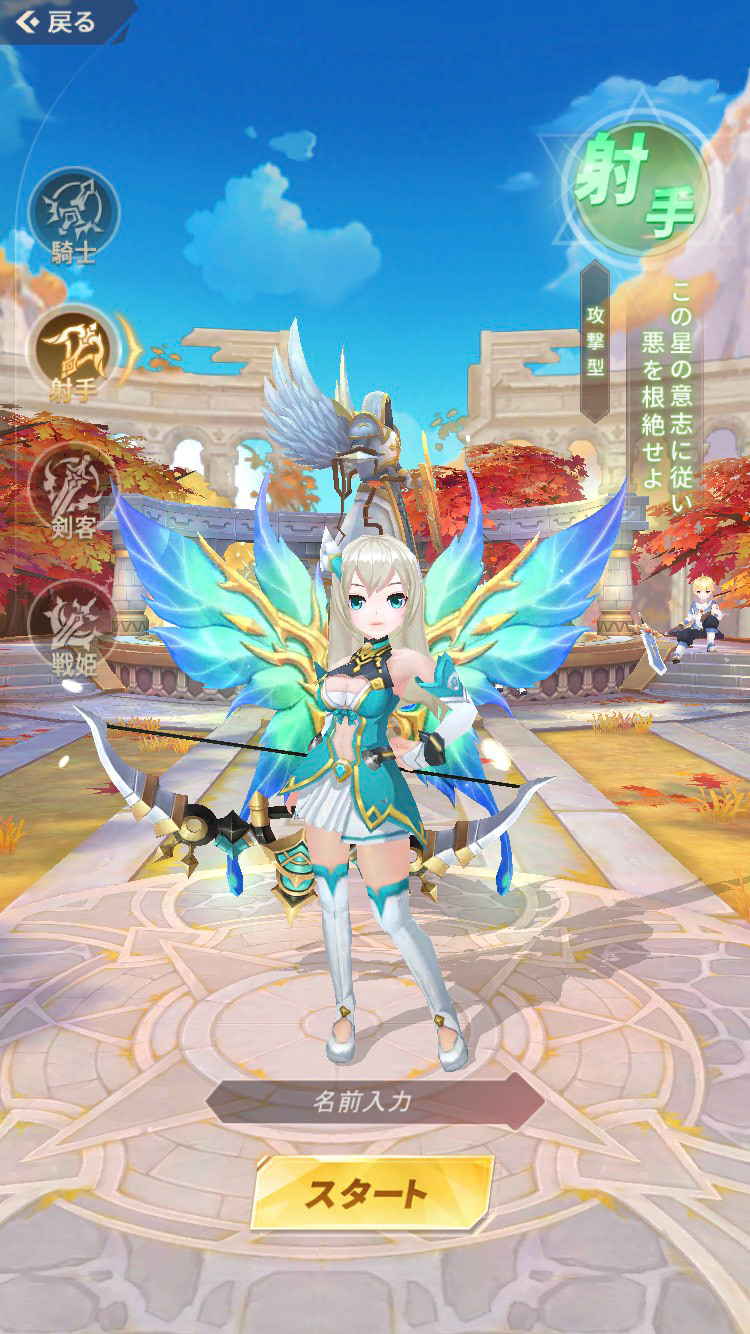
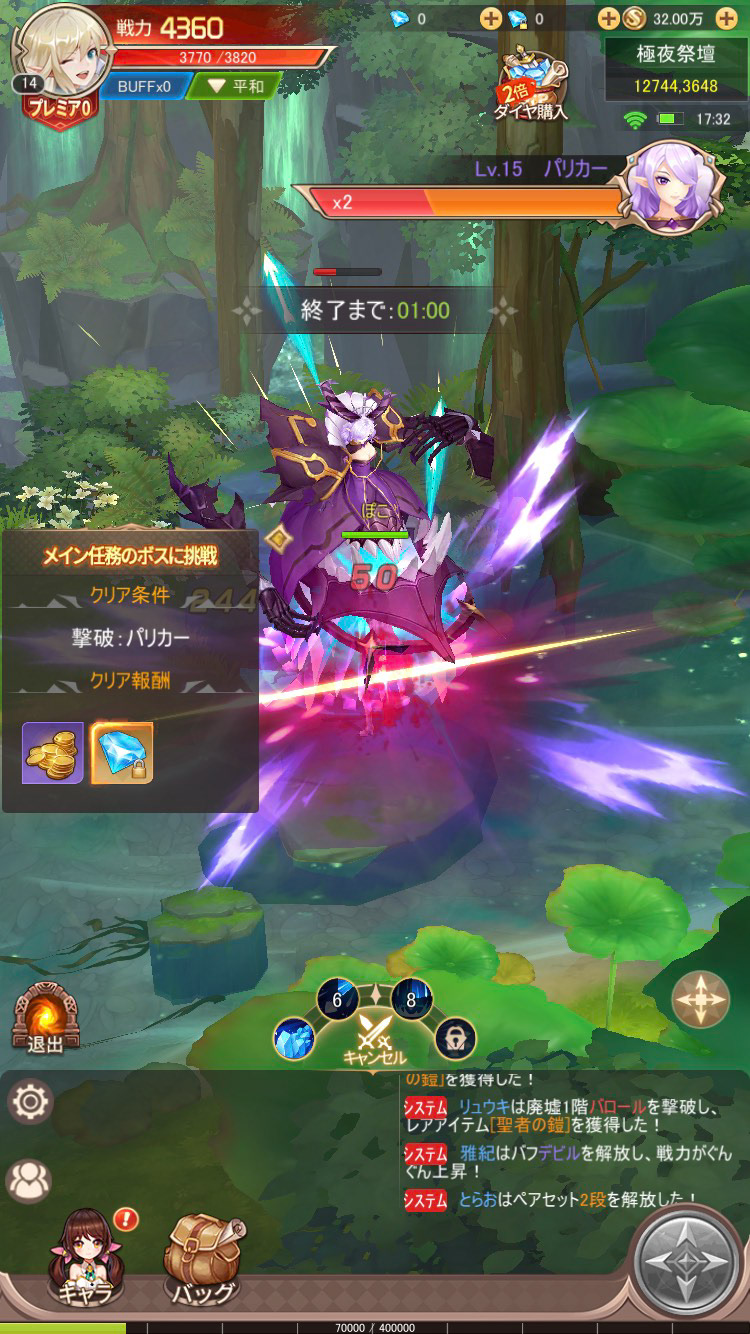
While reviewing our production pipeline, I noticed that every newly released costume, equipment set, and in-game item already existed as fully rigged 3D assets. Although these models were relatively low poly and not suitable for close up promotional artwork, they were more than capable of showcasing newly released content in update announcements.
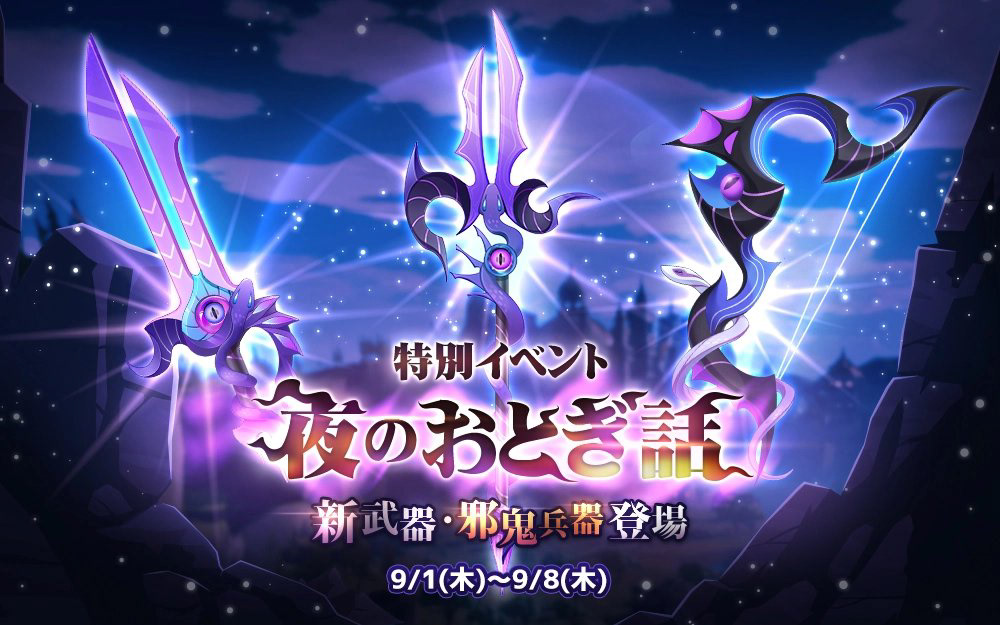
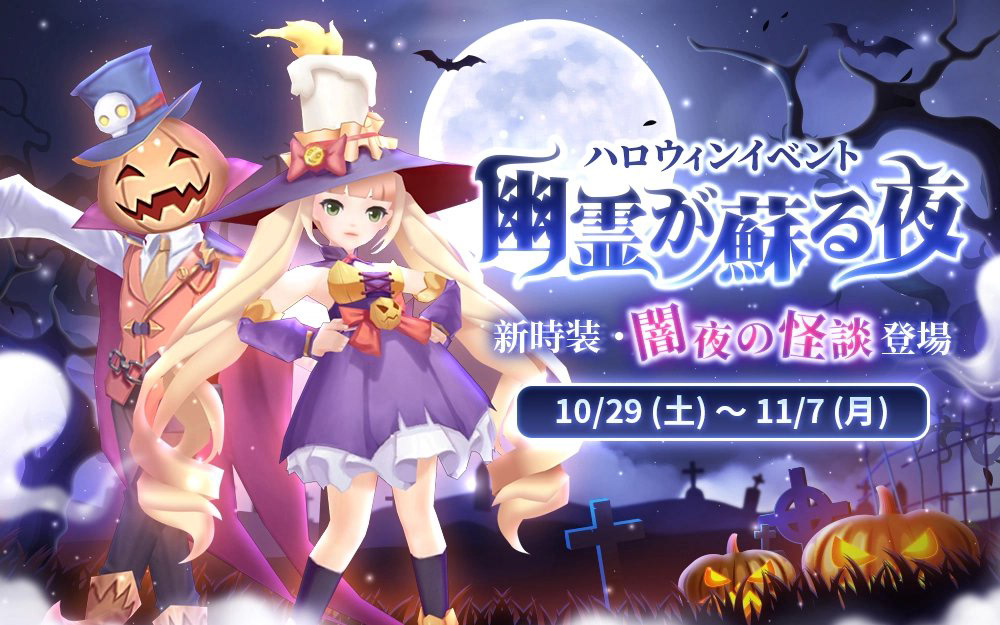
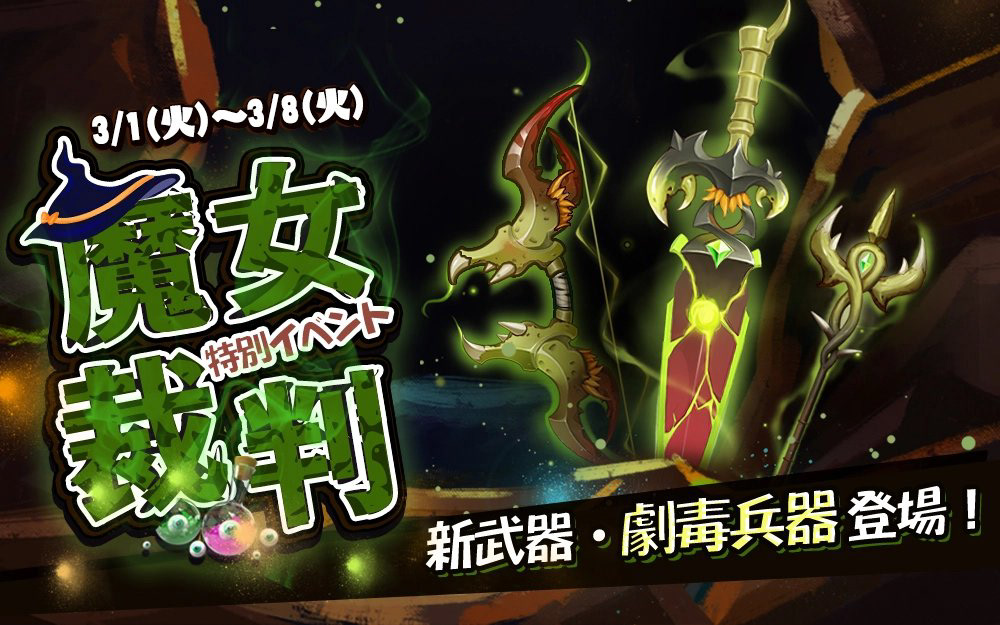
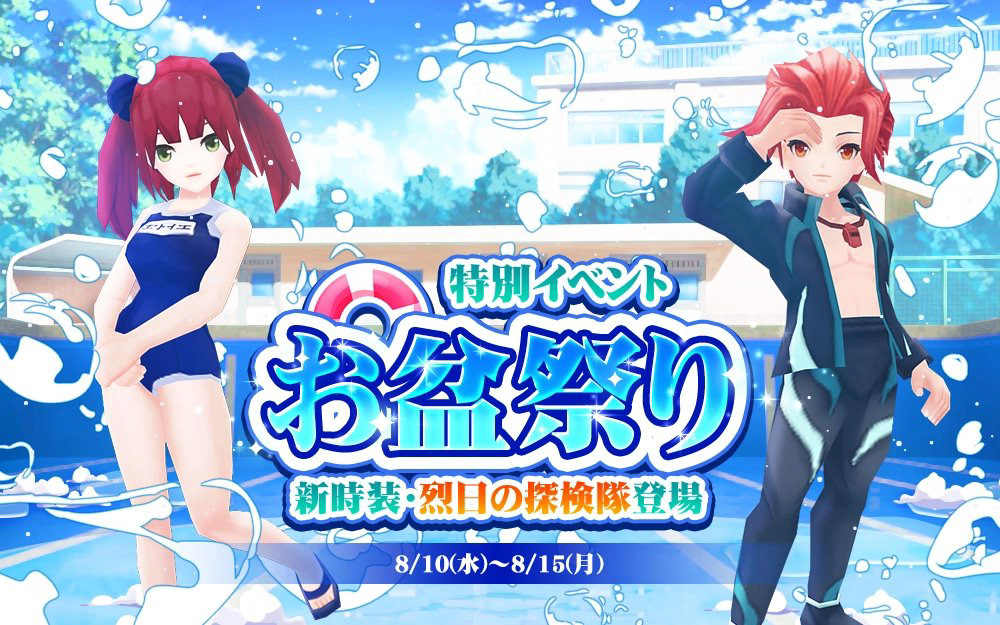
I proposed introducing rendered 3D assets into our Live Operations workflow. Instead of relying primarily on existing character illustrations, I coordinated with the development team to provide rendered images of newly released costumes, equipment, and items. The Live Operations art team then performed light post processing to refine lighting and soften visible polygon edges before integrating the assets into promotional announcements.
Rather than replacing illustrations entirely, I also redefined how different asset types should be used throughout the product lifecycle.
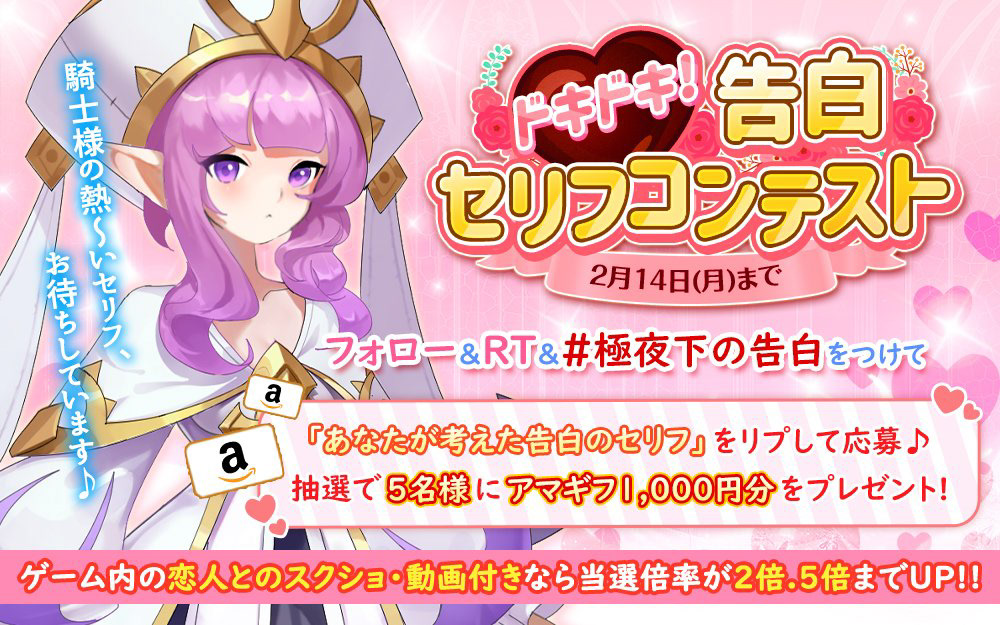
New character illustrations were reserved for major seasonal events, collaborations, and milestone campaigns where the highest marketing impact was required.
Rendered 3D assets became the primary visuals for routine updates, new costumes, equipment releases, and shop promotions.
Existing illustrations were repurposed for maintenance notices and lower-priority announcements, reducing unnecessary repetition.
This content strategy allowed us to maximize the value of existing production assets, increase visual variety across updates, and clearly communicate newly released content without requiring significant additional production resources.
Impact
By restructuring the content pipeline instead of simply producing more artwork, we established a sustainable workflow that improved both production efficiency and player-facing communication.
Routine updates became visually more distinctive while requiring only minimal additional effort from the development team. Players could immediately recognize newly released costumes, equipment, and featured content directly from update announcements, creating a stronger perception that the game continued to receive meaningful updates.
Following the implementation of this strategy, the project showed positive improvements in player activity, retention, and purchase behavior, contributing to an extended product lifecycle despite operating with limited resources.
The workflow also proved sustainable beyond my involvement, with the team continuing to use the content strategy for several years after my departure.